Lean Proteins Grilled or tandoori chicken Fish (rohu, pomfret) Eggs Low-fat dairy (Greek yoghurt, cottage cheese/paneer) Lentils like moong dal, masoor dal, and toor dal Plant-based proteins (tofu) Legumes like sprouted moong or chana salad Fibre-Rich Vegetables Broccoli, cauliflower, cabbage Spinach, lettuce, fenugreek (methi), mustard greens (sarson) Green beans Bell peppers, zucchini Carrots Okra (bhindi), bottle gourd (lauki) Healthy Whole Grains Quinoa, Barley Brown or red rice Sorghum (jowar) Oats Millets (Ragi, Bajra) Whole wheat roti or pasta Healthy Fats Avocado Olive oil Nuts (almonds, walnuts) Seeds (chia, flaxseed, sunflower) Fatty fish (salmon, tuna, hilsa) Coconut Hydrating Foods Cucumbers & leafy greens (lettuce, spinach) Watermelon, oranges Buttermilk (chaas) Tomatoes Strawberries Soups and coconut water Lemon water (with a dash of cumin & mint) Foods to Limit or Avoid While on GLP-1 Medications High-fat fried foods increase the risk of nausea, delay gastric emptying further, and may worsen GLP-1 side effects
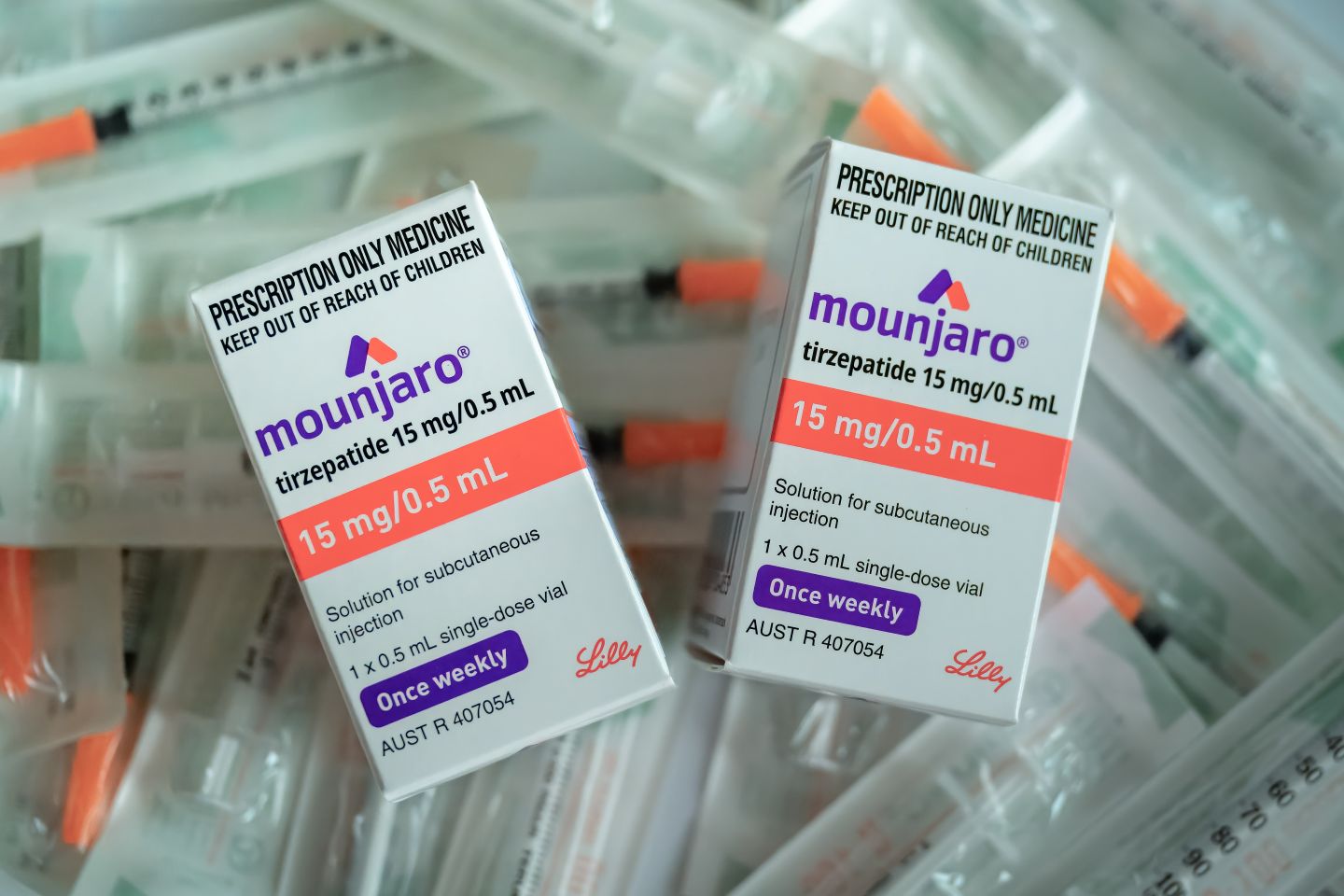
Based on this information, you may want to discuss with your doctor the options of alternative medications that will lower your copayment and/or the amount you are required to pay out of pocket.
A personalized approach, guided by genetic testing, typically outperforms polypharmacy guesswork
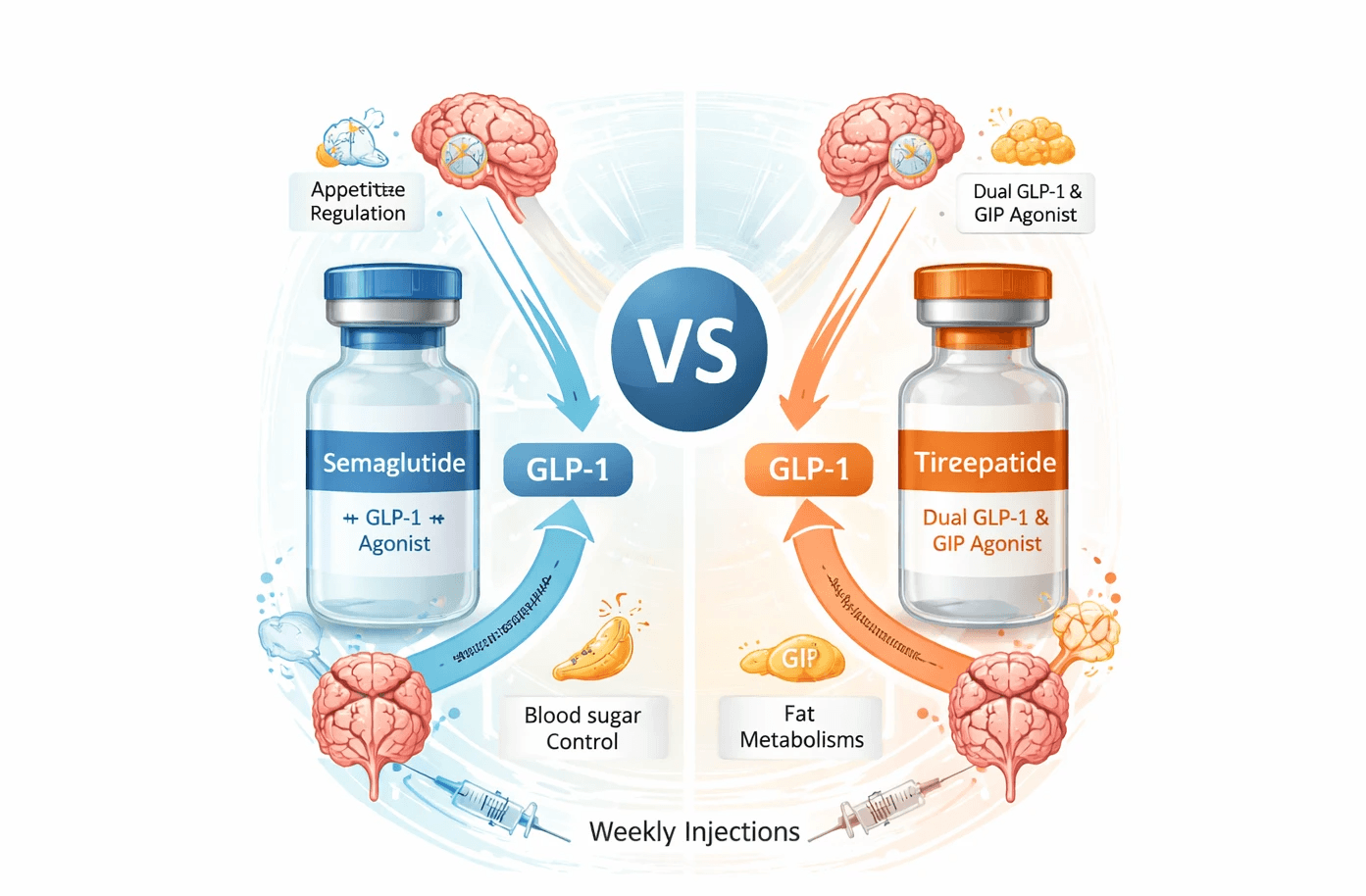
Additionally, many health insurance plans are beginning to cover GLP-1 medications, making them more accessible to patients
Background Background A 2019 review discussing the role of gastric pentadecapeptide body protection compound BPC 157 in accelerating musculoskeletal soft tissue healing notes that BPC 157 has shown significant promise in healing of various tissues including tendons, ligaments, skeletal muscles, and bones











01200-X/asset/a888810c-3ccf-4f48-b252-0dfdf720d276/main.assets/gr3_lrg.jpg)